Trump declared an energy ceasefire on social media, but Kyiv says Russia attacked 6 energy facilities Monday
As Volodymyr Zelenskyy addressed global leaders and military officials at the Warsaw Security Forum on Monday, Ukraine’s president found himself in a familiar position: trying to shore up international support for his country while managing an increasingly fractious relationship with Washington.
Zelenskyy is caught between an escalating war at home and a Trump administration that appears to be increasing pressure on Kyiv to halt its attacks on Russian refineries while simultaneously pursuing fuel deals with Moscow.
Several media outlets, including the Financial Times and CNN, have reported that U.S. officials have threatened to cut off intelligence sharing and weapons sales to Ukraine if Kyiv does not halt its deep strikes on Russian energy infrastructure.
“We need American pressure on Russia, not sanctions relief, not concessions,” Zelenskyy said in a virtual address to the forum.
Ceasefire? What ceasefire?
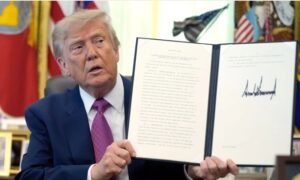
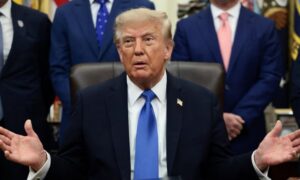
Zelenskyy spoke a day after U.S. President Donald Trump appeared to unilaterally declare an energy ceasefire in a social media post, catching Kyiv and its European allies off guard.
Although Zelenskyy said he had not been aware of the agreement, he indicated that Kyiv would support it if Moscow did the same.
But by Monday, it was clear that no such ceasefire was in place.
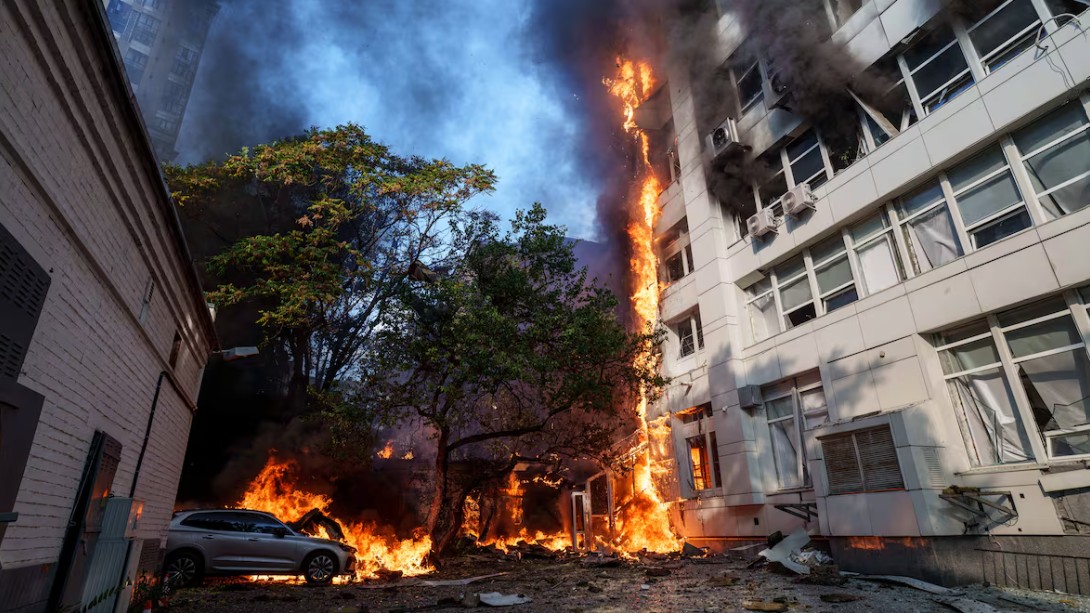
When asked Monday morning about the supposed agreement, the Kremlin said “contacts” were ongoing, but it declined to comment on any specifics. Later that evening, Zelenskyy said Russia had struck six energy facilities in Ukraine.
If the announcement of an energy ceasefire came as a surprise to Ukraine, Trump’s declaration on Friday that the United States would begin importing Russian diesel was seen as a betrayal.
Less than a month earlier, Trump had signed a sweeping sanctions package into law that would authorize him to impose hefty tariffs on major importers of Russian oil and gas.
While Trump’s relationship with Zelenskyy has often been tumultuous, with the U.S. president repeatedly accusing Ukraine of prolonging the war, Washington’s latest threats come as Trump faces growing political pressure at home over surging fuel prices.
The politics of fuel prices
Trump has blamed Ukrainian attacks on Russian refineries for driving up diesel prices, which have risen by 70 per cent since the U.S.-Israeli war with Iran began in February, disrupting shipping traffic through the Strait of Hormuz.
“Trump is deflecting blame for high energy prices and the price at the pump onto Zelenskyy,” said Timothy Ash, an associate fellow in the Russia and Eurasia program at Chatham House.
“His war on Iran is the main reason why energy prices are higher,” Ash said.
In an interview with CBC News, Ash said he believes Trump’s diesel deal with Russia also reflects a desire to return to “business as normal” and pursue commercial deals with Moscow.
However, energy analysts doubt the agreement will have much impact on U.S. prices, in part because Russia’s ability to supply additional fuel is constrained by sustained Ukrainian attacks on its energy infrastructure. Kyiv claims it has destroyed about half of Russia’s refining capacity.
Trump has said Russia will immediately export more than 300,000 tonnes of diesel to the U.S. and global markets. That amounts to about 2.25 million barrels, less than the nearly three million barrels the U.S. transport sector consumes each day, according to government data.
“It’s a perfectly Trumpian deal. It’s very short on details, and yet it’s announced and being sold very, very loudly,” said Tamas Varga, a London-based analyst with PVM Oil Associates.
“It looks like the whole deal is not going to have a significant impact on mitigating the rise in retail diesel prices in the U.S.”
Trump’s track record on Ukraine
The diesel agreement is another reminder of Trump’s transactional approach to foreign policy, further eroding whatever trust Ukrainians may still have in Washington’s ability to steer negotiations and help secure a workable peace.
Trump’s social media post about the so-called energy ceasefire on Sunday marked the second time in less than a month that he had claimed Russia and Ukraine had agreed to stop striking each other’s energy infrastructure. Neither announcement appeared to be rooted in reality.
Zelenskyy has not publicly confirmed reports that Washington has threatened to cut off intelligence sharing or prevent Ukraine’s allies from purchasing U.S.-made weapons, including Patriot air defence missiles. However, the Trump administration has taken similar steps before.
In March 2025, days after a tense, televised meeting between Trump and Zelenskyy in the Oval Office, the U.S. briefly suspended intelligence sharing with Ukraine.
Oleksandr Kraiev, an international relations expert at the Kyiv-based think-tank Ukrainian Prism, said the pressure from Washington currently amounts to threats. But he said Ukraine must be prepared for the possibility that Trump could follow through, given his unpredictability.
“When you are being played by a cynical leader, you have to become cynical yourself,” Kraiev said in a phone interview with CBC News from Kyiv.
“We have to play the game with them … but we should always be relying on ourselves and on our European allies more than on our American allies.”
Threats to cut off intelligence
Despite Trump’s impulsive whims, Kraiev said Kyiv cannot abandon diplomacy with Washington and simply wait for the “hotheads” to cool down. He said even though European countries are increasing their supplies of weapons and ammunition, Ukraine remains heavily dependent on the U.S.
“The Americans provide less than 15 per cent of all of our munitions and all of our armaments, but this 15 per cent cannot be duplicated anywhere else,” Kraiev said, pointing to Lockheed Martin’s PAC-3 air defence interceptor as an example.
Experts say European countries also cannot easily replicate the satellite imagery the U.S. provides to Ukraine, which helps Kyiv plan attacks and defend against Russian strikes.
Robert Tollast, a research fellow in land warfare at the Royal United Services Institute, said U.S. spy satellites help Ukraine identify targets in occupied areas of eastern Ukraine, particularly those more than 80 kilometres from the front line.
“The U.S. have basically a repository of satellite intelligence imagery that their partner nations have access to,” he said, adding that in some cases the requested images are delivered in as little as 15 minutes.
He says the images can show Ukraine Russian military positions and whether it is moving weaponry or troops around.
“If Ukraine loses access to this, it would complicate their targeting efforts.”
Source : cbc.ca